About Hassan Saradipour
Nearly two decades in international trade, from exporting food products across difficult markets to building a practical path into the U.S. market.
Founder of Abanro
The beginning
From engineering to international trade
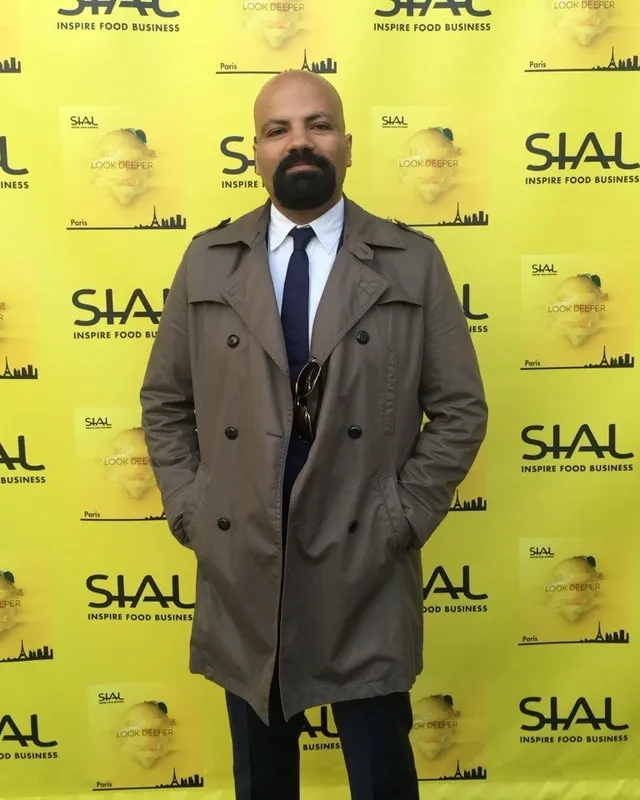
Hassan Saradipour began his professional life in electronics engineering, but he quickly realized that engineering did not fully match his interests. What attracted him far more was the world of markets, trade, negotiation and international business, and the challenge of finding opportunities in places that were difficult to enter.
At the age of 21, while he was still working in engineering, he began exploring international trade in his free time. His first serious export transaction was a shipment of raisins to Casablanca, and what began as a side activity soon changed the direction of his career. As his export work became more serious, he also began studying economics, which gave him a deeper understanding of pricing, supply and demand, market behavior and the forces that shape international trade.
Difficult markets
Building in difficult markets
Over the next two decades, international trade became the center of his professional life. His work focused on food and agricultural products, especially dried fruits, nuts and dates. Over time, his real expertise became something broader than any single product: entering difficult markets, where success required much more than sending a catalogue to an importer and waiting for an order.
Buyers had to be understood, pricing had to be adapted, packaging often had to change, the right sales channel had to be found and the product had to fit the realities of the local market. At the height of his export activity, his businesses generated several million dollars in annual sales. In the date export sector, he also achieved a record that, within his trade community, has not been surpassed to this day.
- 21His age when he started in international trade
- Nearly two decadesIn international trade
- Tens of millions of dollarsIn export sales
Trade exhibitions
Years inside global trade
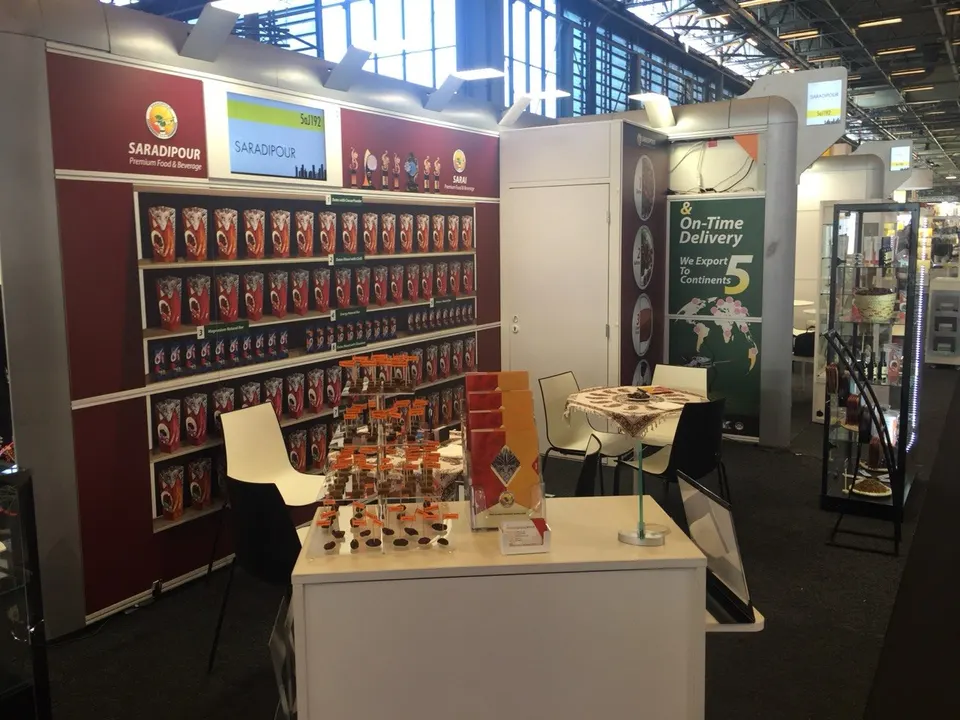
International trade exhibitions became an important part of his work. Hassan spent years at major events such as SIAL, ANUGA, Gulfood Dubai, Fancy Food and many other international food exhibitions.
He never saw exhibitions only as places to collect business cards or display products. For him, they were places to understand markets directly: which products attracted attention, what buyers asked about, which price points created interest, which packaging formats worked and when a product was truly ready for a new market.
The United States
Seeing the U.S. market from the inside
- 2013First trip to the United States
- 2016Moved to the United States
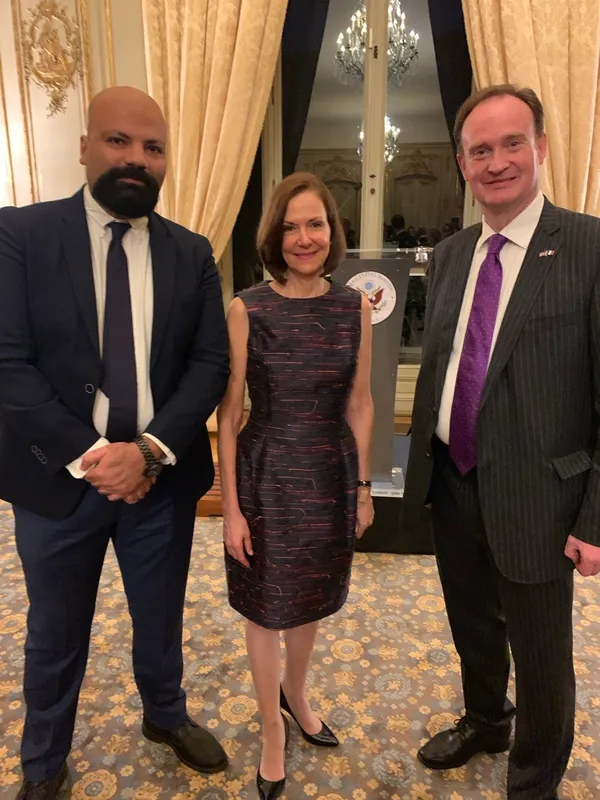
In 2013, Hassan traveled to the United States and saw firsthand the scale and potential of the American market: the size of the consumer base, its purchasing power, the retail network and the foodservice industry. He also saw how complicated and expensive entering the United States could be for a foreign company.
In 2016, he moved to the United States and stepped away from the export business he had spent years building. Living here let him understand from the inside a market he had previously seen as an exporter. For many international brands, the challenge was not simply finding a customer. Entering the United States meant dealing with FDA requirements, customs, import procedures, warehousing, labeling, local transportation, fulfillment, distribution and buyer development, often before a company knew whether the product would perform at all.
Why local execution matters
His own export years had already shown him how costly the absence of reliable local operations could be. In one case, part of a shipment in Dubai was lost because there was no one locally who could properly monitor it, handle the situation and respond quickly when a problem developed.
His view of market entry
Understand the market, then scale
For Hassan, the goal is not simply to test whether a product can sell for a few weeks. The more important objective is to understand the market well enough to scale intelligently. A company needs to know which buyers respond best, which SKUs have the strongest potential, what pricing works, whether the product performs better in retail or foodservice, what objections buyers have and whether there are signs of repeat demand.
The better a company understands these factors, the stronger its position when it is ready to approach larger distributors, retail chains, foodservice distributors and broader sales channels.
Market knowledge makes scaling more disciplined. It allows a brand to expand based on real information instead of assumptions.
Why Abanro exists
The partner he once wished he had
Abanro grew out of this experience. The idea is not to keep international brands small. It is to help them take clear, lower risk steps into the U.S. market and build a foundation for larger growth. A brand can begin with a controlled amount of inventory, reach real buyers, observe the response and make adjustments before committing significantly more capital. If the market responds well, it can increase inventory, expand distribution and approach larger partners with stronger evidence behind the product. If pricing, packaging, positioning or the product itself needs to change, that can happen before tens or even hundreds of thousands of dollars are committed in the wrong direction.
Today, Hassan is in the position he once wished had existed for him as an exporter. He combines nearly two decades of international trade with direct experience inside the U.S. market, and he knows firsthand how easily poor local execution can create unnecessary risk. Abanro brings those experiences together: a practical way for international brands to enter the United States, learn from real market activity and scale through clear, lower risk steps rather than one large and uncertain commitment at the beginning.
Entering the U.S. market?
Start with a clear, lower risk path and learn from real market activity before making a larger commitment.